
When Students Learn to Listen
Building Communication, Connection, and Community in the Classroom

Dear Learning Partners,
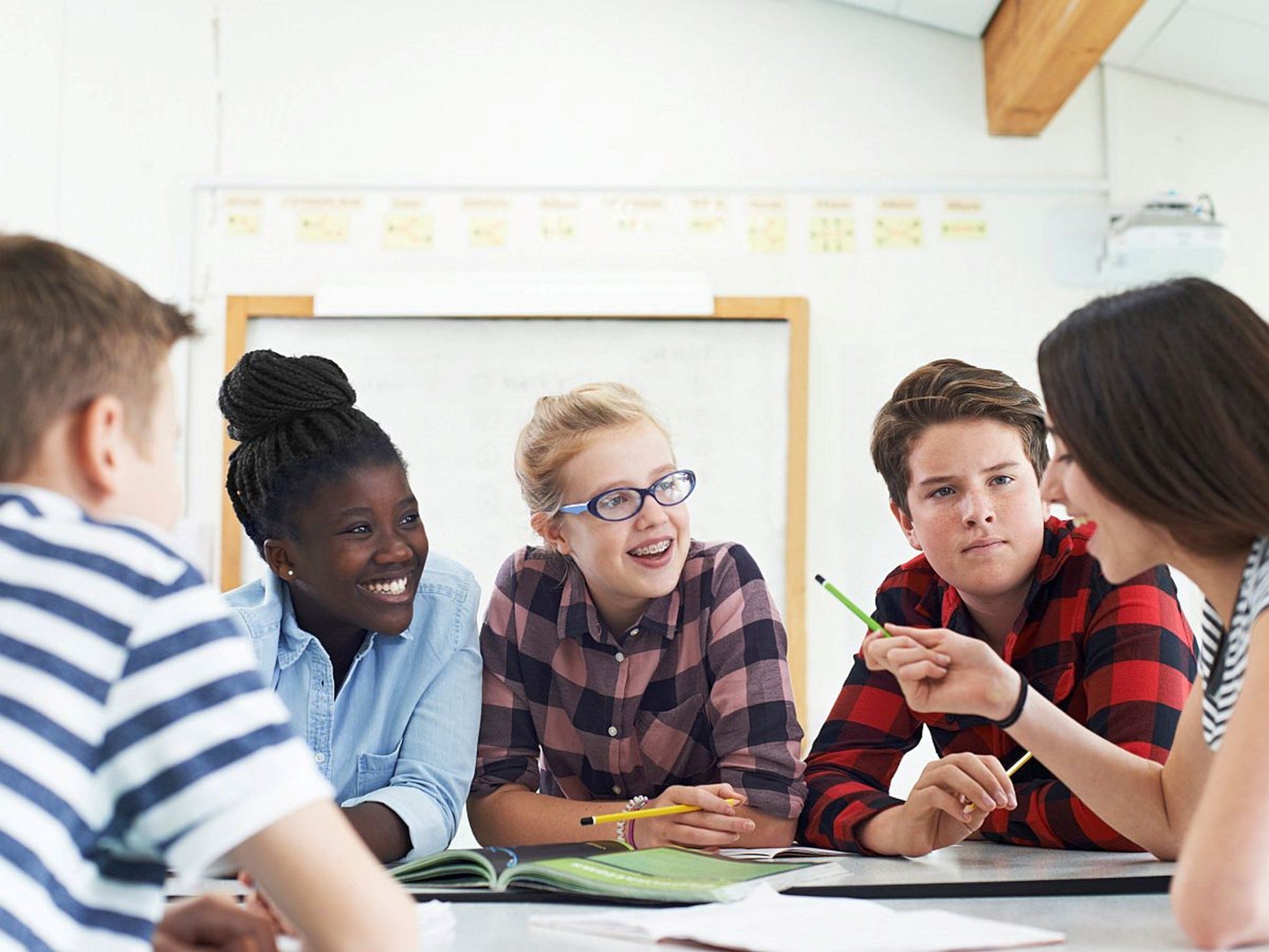
Before students can collaborate or learn from one another, they must learn to communicate. Not just how to talk, but how to listen. Not just how to respond, but how to understand.
Students are constantly communicating, but are they making meaningful connections? Texting replaces talking. Reactions replace reflection. The shared question for parents and educators is: How do we help students connect in real, human ways?
The answer is reassuring: communication is a skill and it can be taught.
Communication Is More Than Words
Communication is both what we say and how we say it. Effective conversations are built on active listening, perspective taking, and asking clarifying questions; all of which require emotional awareness, patience, and trust.
Students need opportunities to practice being effective communicators: listening without interruption, building responses on they’ve heard, and respectfully expressing disagreement. When these skills are taught intentionally, classrooms become safer, relationships stronger, and students are more willing to engage academically and socially.
Start with Psychological Safety
Before students speak honestly, they must feel safe. It is crucial to establish shared norms that communicate:
· Mistakes are part of learning
· Different perspectives are welcome
· Every voice matters
One simple classroom norm says it well: “We speak to understand, not to win.”
When students know they won’t be dismissed or embarrassed, they are more willing to ask questions, share ideas, and take learning risks.
Teach Listening—Don’t Assume It
Listening is often expected but rarely taught. When educators model pausing, paraphrasing and asking curious follow-up questions, students learn that listening is an active skill, not a passive behavior.
Sentence starters to help students become active listeners.
· What I hear you saying is…
· Can you tell me more about…
· I see it a little differently because…
Structure Collaboration and Normalize Disagreement
Group work doesn’t automatically lead to collaboration. Assigning roles, such as listener, encourager, or clarifier, helps students practice effective communication skills.
Equally important is teaching students that disagreement doesn’t equal rejection. Embracing the idea that I can disagree with your idea and still value you helps students navigate differences with respect.
________________________________________
Reflection Builds Growth
Communication improves when students reflect on what has been said. Teaching self-reflection can make a difference. Encouraging students to ask themselves these questions helps them practice self-reflection.
· When did you feel heard today?
· What was hard about listening?
· What’s one communication goal you have?
Collaborating with families so they too can reinforce these skills during conversations at home is critical.
____________________________________________________________________________
“When students learn how to listen, not just speak, classrooms become places of trust, connection, and real learning.” — Ask the Educators
____________________________________________________________________________
Why This Matter
When students learn to communicate effectively, they are more empathetic, resilient, and develop a stronger sense of belonging, laying a foundation for improving their academic skills. They begin to experience classrooms as places where they can slow down, listen deeply, and connect with care. Building communication skills, especially the power of listening, is one of the most important lessons educators teach and parents families reinforce.
With care and conversation, Tamara & Peggy
Tamaraljacobson.com | Peggybud.com | Navigatingspecialeducation.com | Ask The Educators Substack | Podcast: Apple Music and Spotify
Our Books: Conversations Lead to Consensus, Navigating Special Education, Rethinking Perception, A Different Kind of Wonderful, Sofia Making Her Mark